Every Moog Patch Sheet Notebook We Make (and Why You Probably Need One)
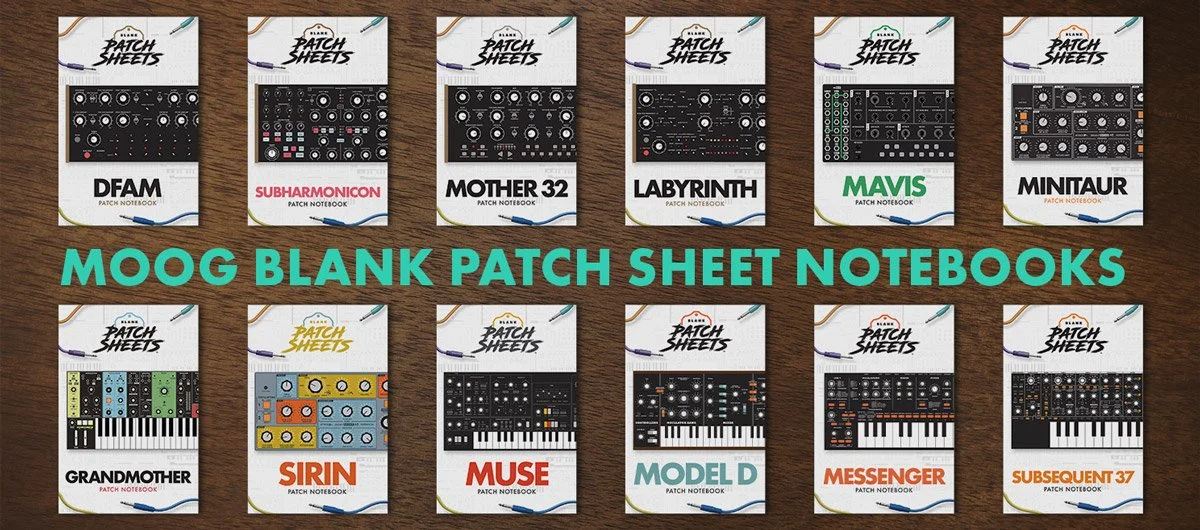
If you own a Moog, you already know: the hands-on analog control is the whole point.
Many don’t have presets or screens, and they don’t tell you what you dialed in last Tuesday. Just knobs, switches, and your memory.
And your memory is not as good as you think it is.
That's why I started Blank Patch Sheets.
Every notebook in the series has a light grey schematic of your specific synth printed on each page. You mark the knob positions, jot down a name and date, and move on.
Next time you need that sound, you flip to the page instead of guessing.
Here's the thing. Even on Moogs with preset saving, the knobs don't move on their own. You load a patch, and the controls are lying about the actual setting.
Blank Patch Sheets notebooks fix that.
Let’s look at the full Blank Patch Sheets Moog notebook catalog
Each notebook is 6x9 inches and has 75 pages, available on Amazon with free Prime shipping.
Printable PDF versions are also available if you want to give them a test run.
Moog DFAM
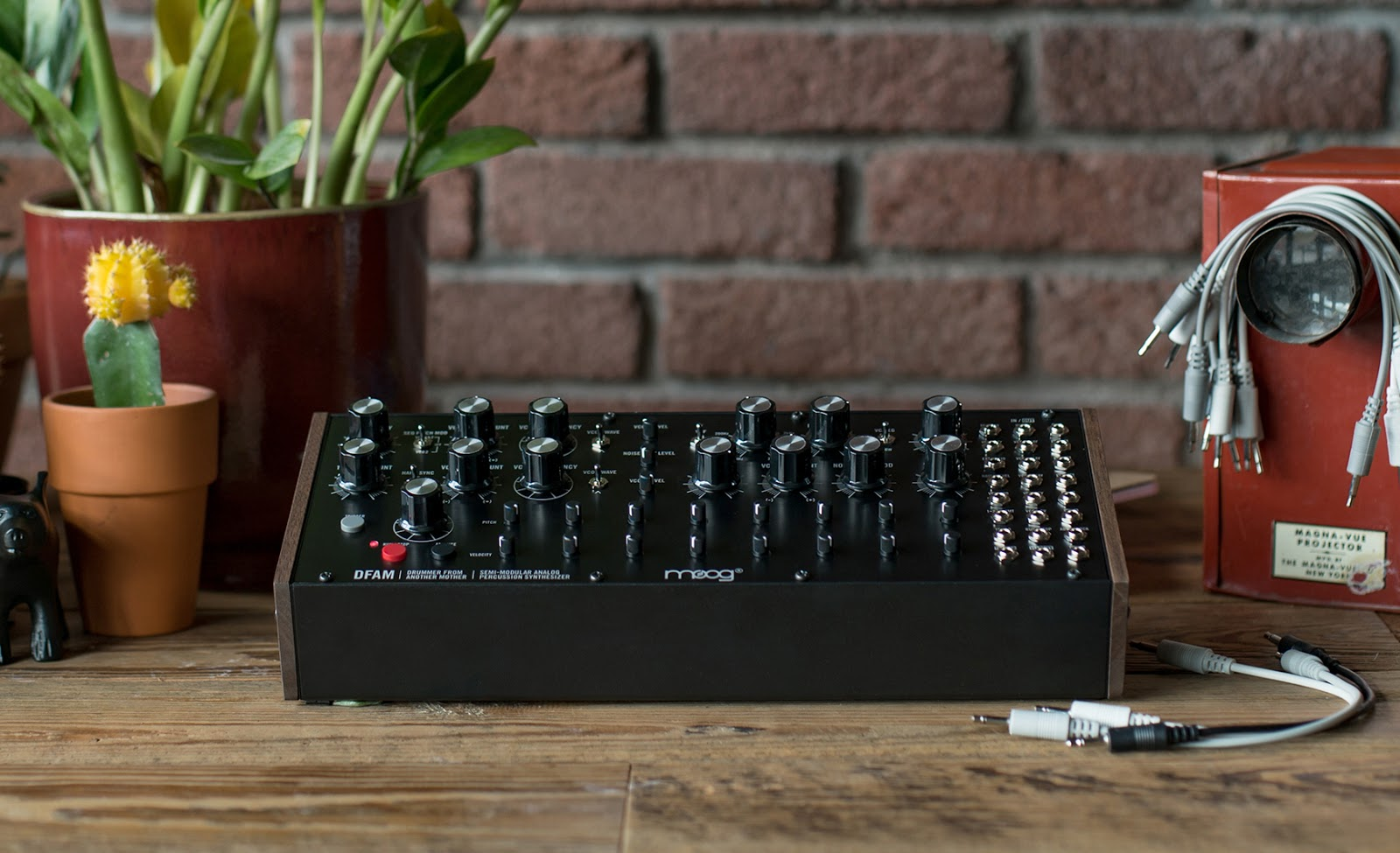
The DFAM has no presets. No save button. No recall.
Every sound lives and dies by where you left the knobs.
No other synth or drum machine needs a patch notebook more than the DFAM, since percussion is so important to making a song recognizable.
These notebooks unlock your ability to perform DFAM live, with unique drums for each song. All you have to do is map your song’s settings on a page in the notebook, and then refer to them as you transition from one song to the next.
If you own a DFAM and you're not writing down your patches, you're missing out on the ability to consistently perform repeatable songs confidently.
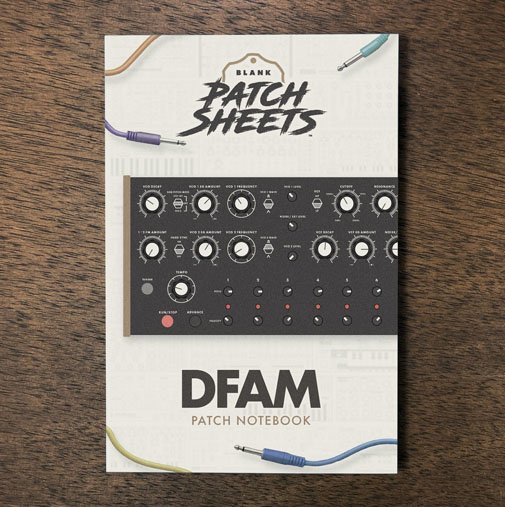
Note: There are Moog Studio bundle books that combine different configurations into a single schematic.
This does make everything in the design very small, but if you need to show connections, it might be the way to go.
Try the printable first if you’re worried about size.
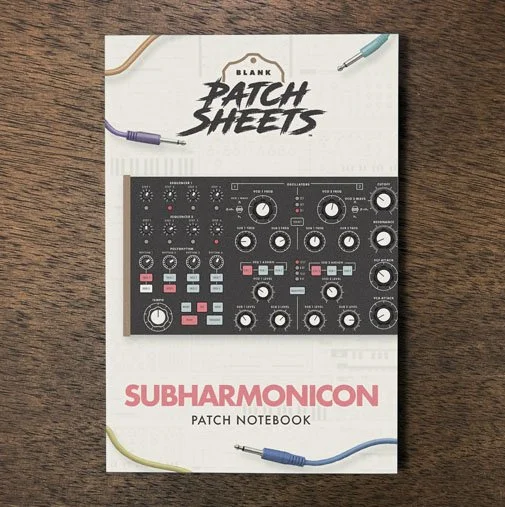
Moog Subharmonicon
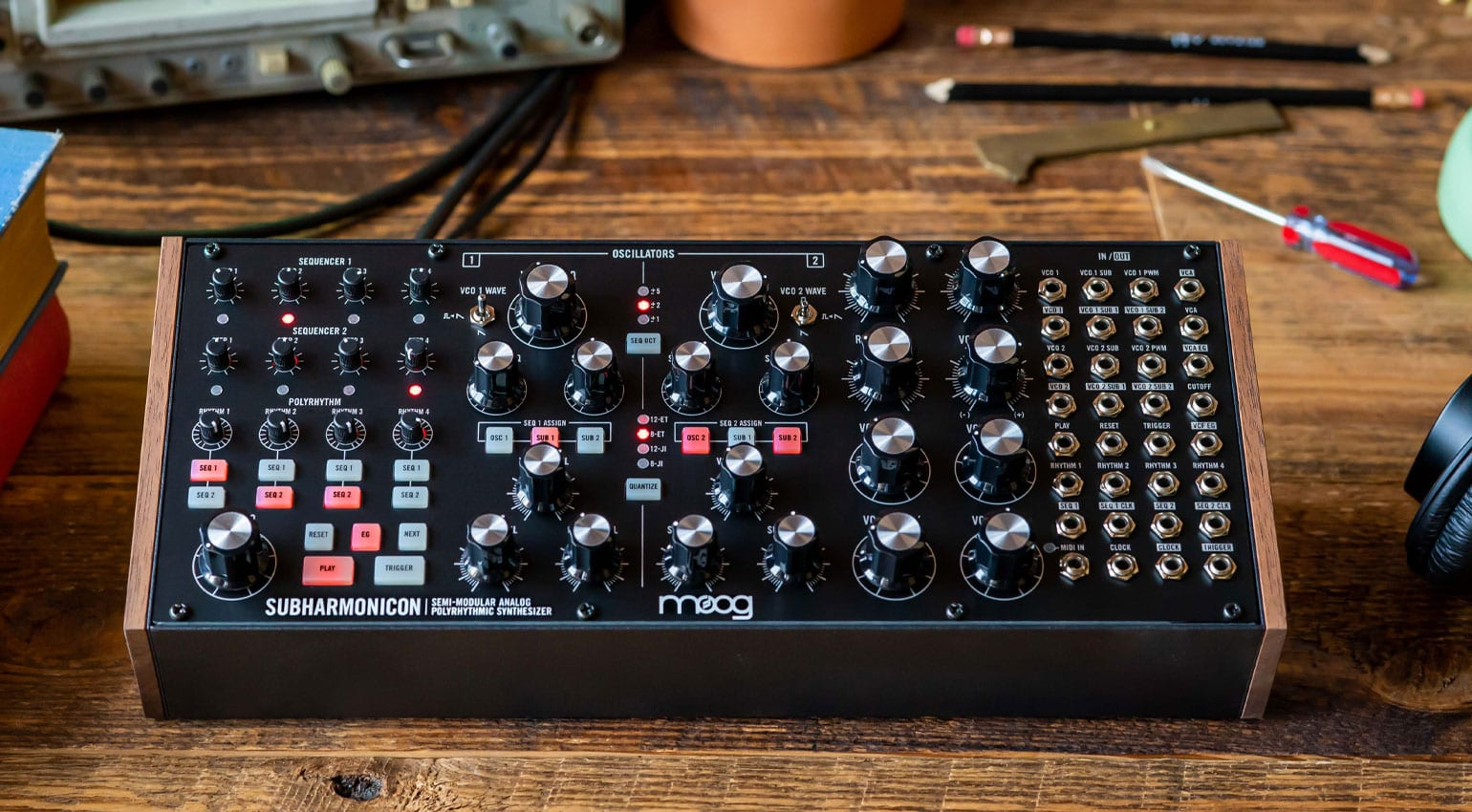
The Subharmonicon's polyrhythmic sequencer means there are a lot of moving parts to keep track of.
It’s in a similar spot as the DFAM in that recreating a “song” or even a general vibe on the Subharmonicon can be incredibly difficult. It’s amazing for improv and happy accidents, but not so great at doing the same thing, reliably, more than once.
That’s part of its charm and what makes it so great.
UNLESS you have documented patches you can easily refer to.
And what if you LOVE one of those happy accidents and want to do it again one day?
This is what makes the notebooks so invaluable. The notebooks keep all the patches together, in a consistent, easy-to-use format, and travel just as easily as the Subharmonicon.
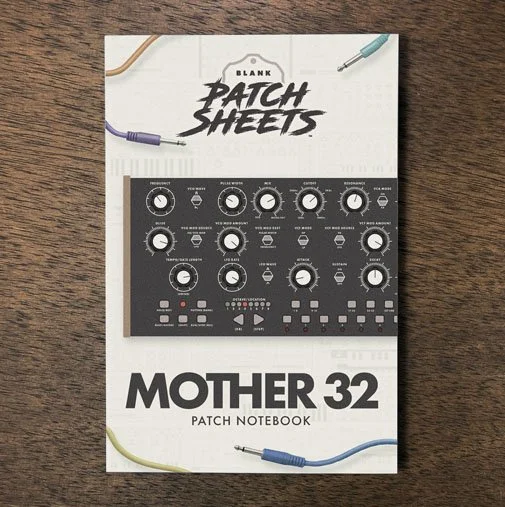
Moog Mother-32
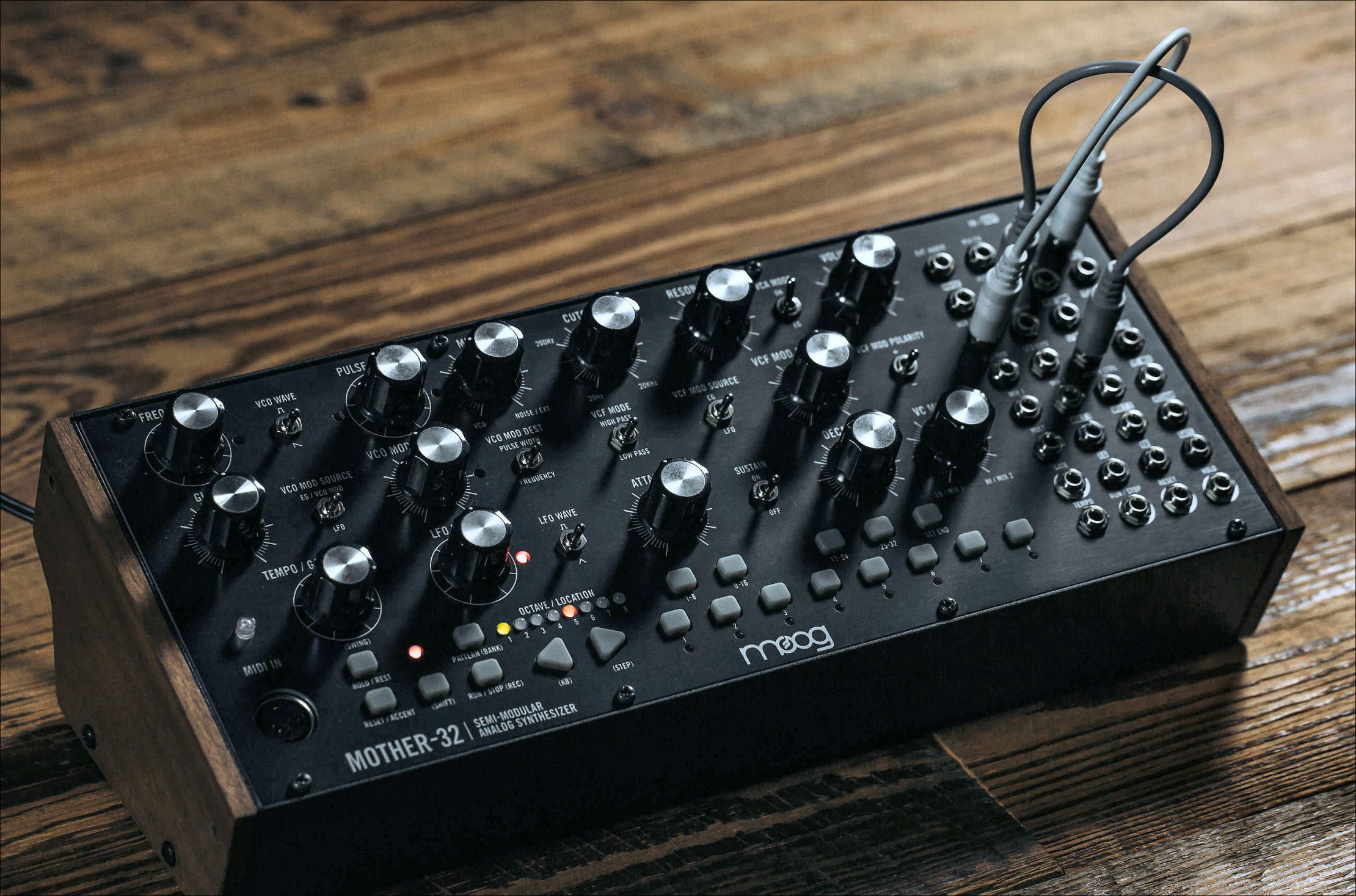
Same deal as the DFAM. No presets, no save, no recall.
The Mother-32 is a patch-cable semi-modular playground, and these notebooks let you document both your knob settings and your cable routings.
These notebooks become even more useful if you own more than one of Moog’s semi-modular hardware.
Moog Labyrinth
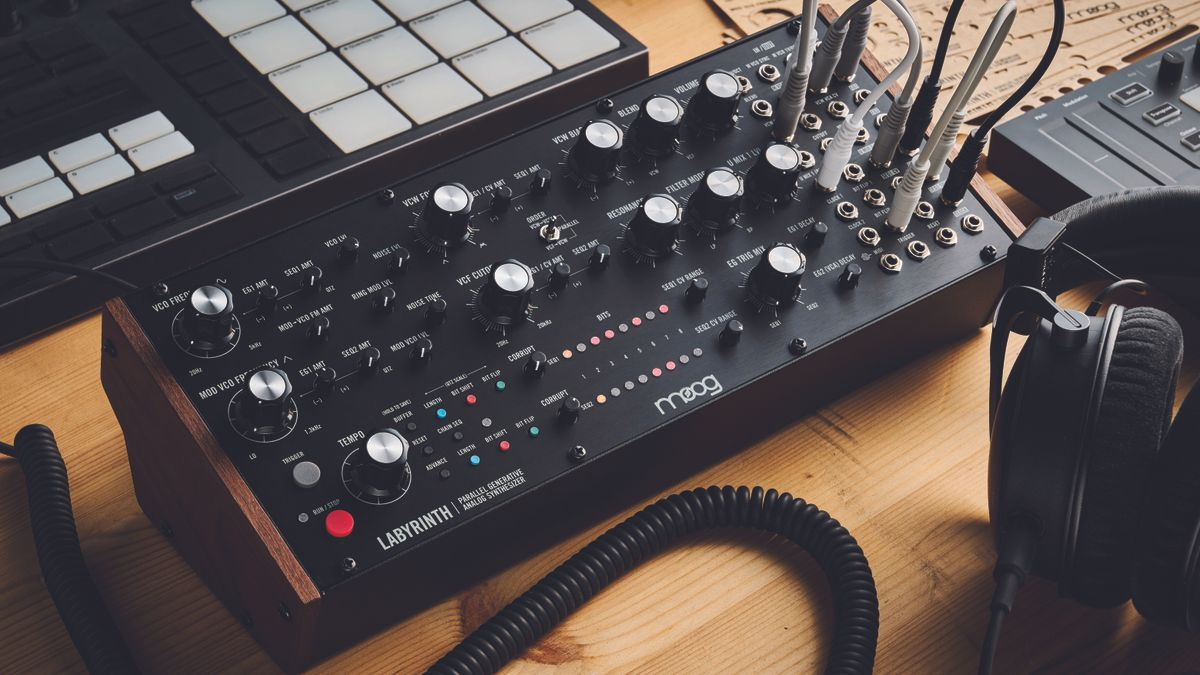
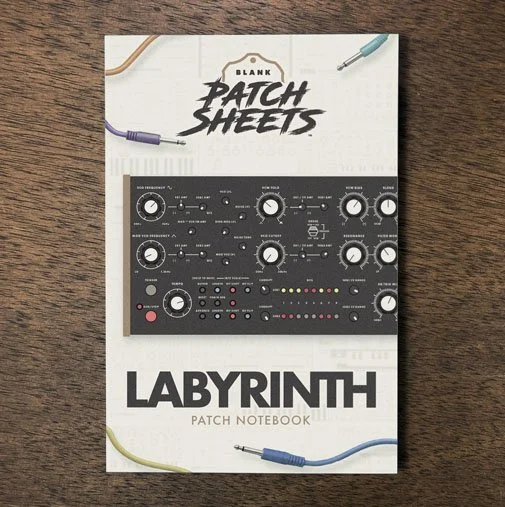
The Labyrinth is Moog's generative desktop synth.
Lots of modulation, lots of randomness, and a workflow that rewards happy accidents.
But if you stumble onto something great and don't write it down, it's gone.
The notebook lets you capture those moments.
Moog Mavis
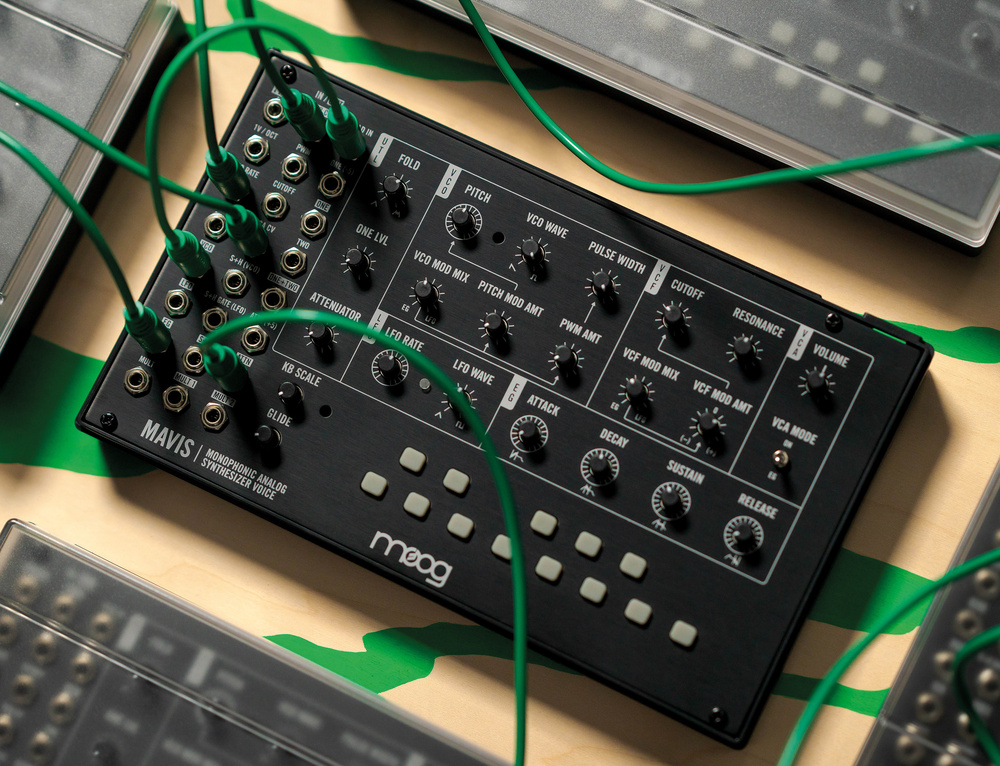
The Mavis packs a surprising amount of synthesis into a small build-it-yourself package.
Oscillator, filter, envelope, a simple patch bay, and a wavefolder.
It's a lot of knobs and cables for something that isn’t much bigger than the notebooks.
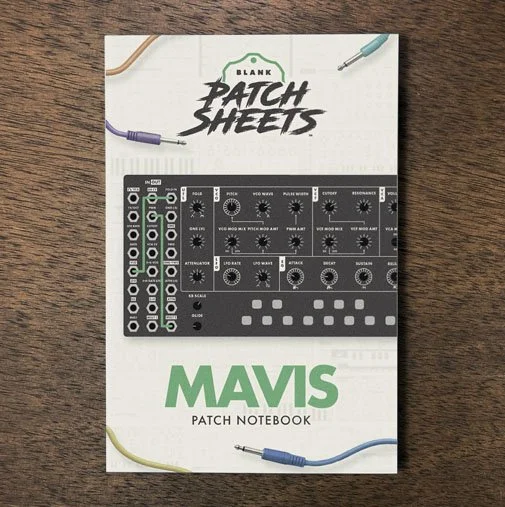
The notebook keeps your Mavis patches organized, allowing you to build a real library of sounds over time.
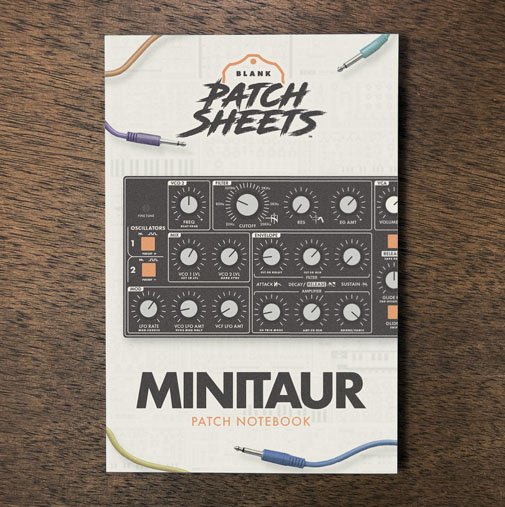
Moog Minitaur & Sirin
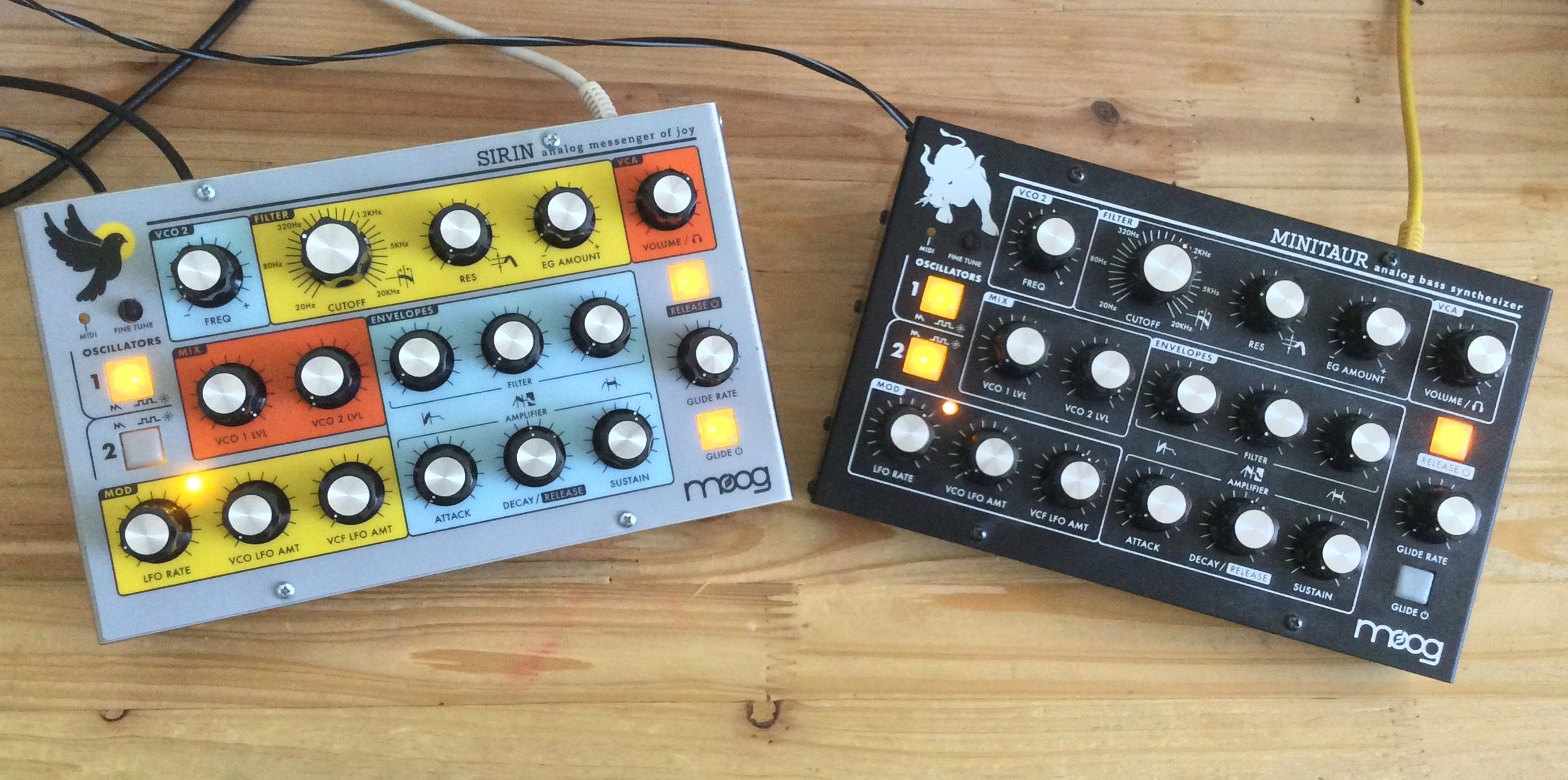
The Minitaur is a bass-focused desktop synth with a small but effective front panel.
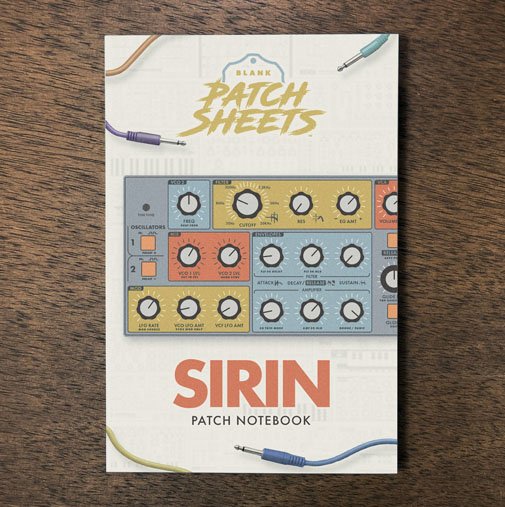
The Sirin is the Minitaur's higher-pitched sibling, covering mid and upper range territory.
Every knob matters when you're dialing in a patch on these two devices, and the notebook makes it easy to log your settings and build a go-to collection of sounds.
The Sirin was a limited-run release and hard to find. If you've got one, it's worth documenting your patches.
Moog Grandmother

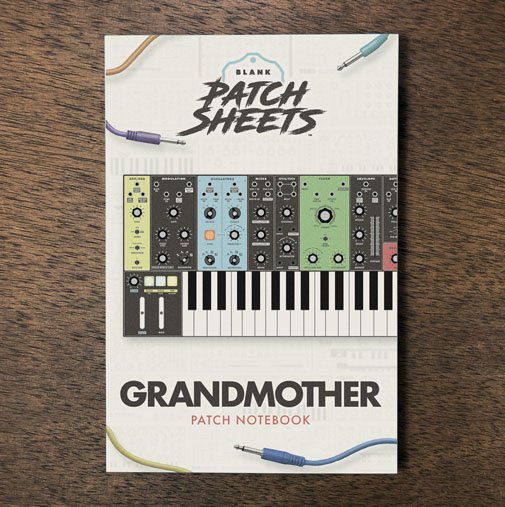
The Grandmother has a spring reverb tank, an arpeggiator, and a full semi-modular signal path.
The notebook schematic maps all those details so you can document where everything was set, including your patch cable connections and performance notes.
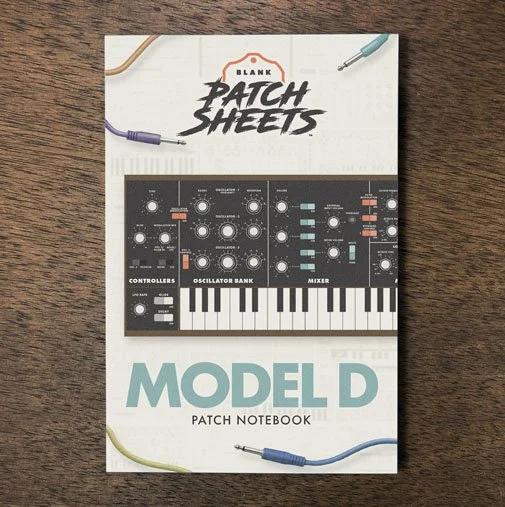
Moog Model D
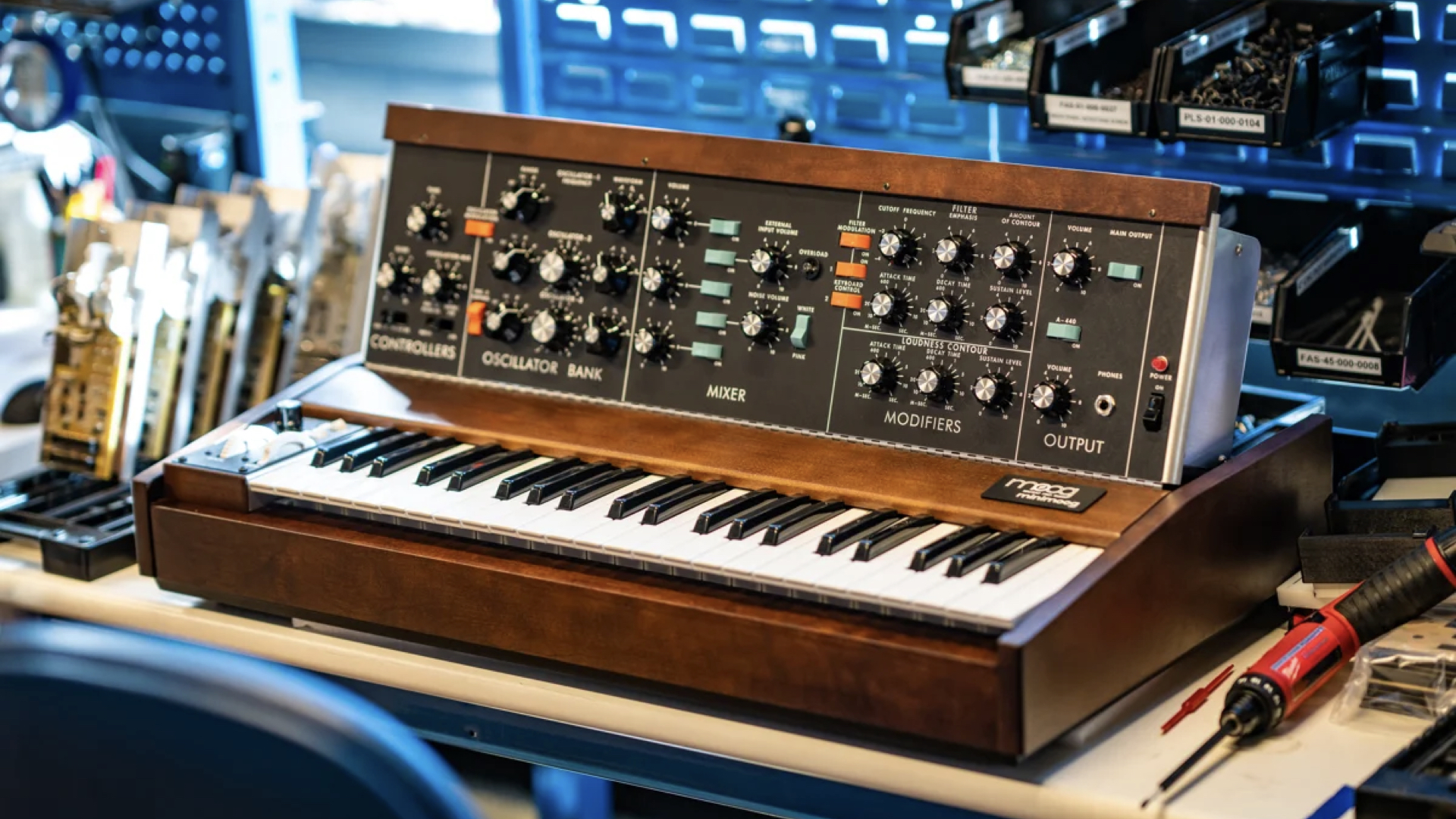
The Model D is a classic for a reason.
Three oscillators, a ladder filter, and a relatively simple signal path.
But simple doesn't mean you'll remember where the knobs were.
The notebook helps you build a reference library for every sound you dial in.
The Model D is a classic synth with a wide range of sounds. IDEAL for a recipe book.
Here’s where things get tricky.
There are a handful of other Moog synths that are quite large. Honestly, I was on the fence about making these all together because they just don’t fit well in the 9”x6” notebook format.
But I decided to do it just in case somebody really, really needs or wants it.
For anybody interested in notebooks for these synths, I recommend checking out the printable first to be sure you don’t mind the small size.
Moog Muse
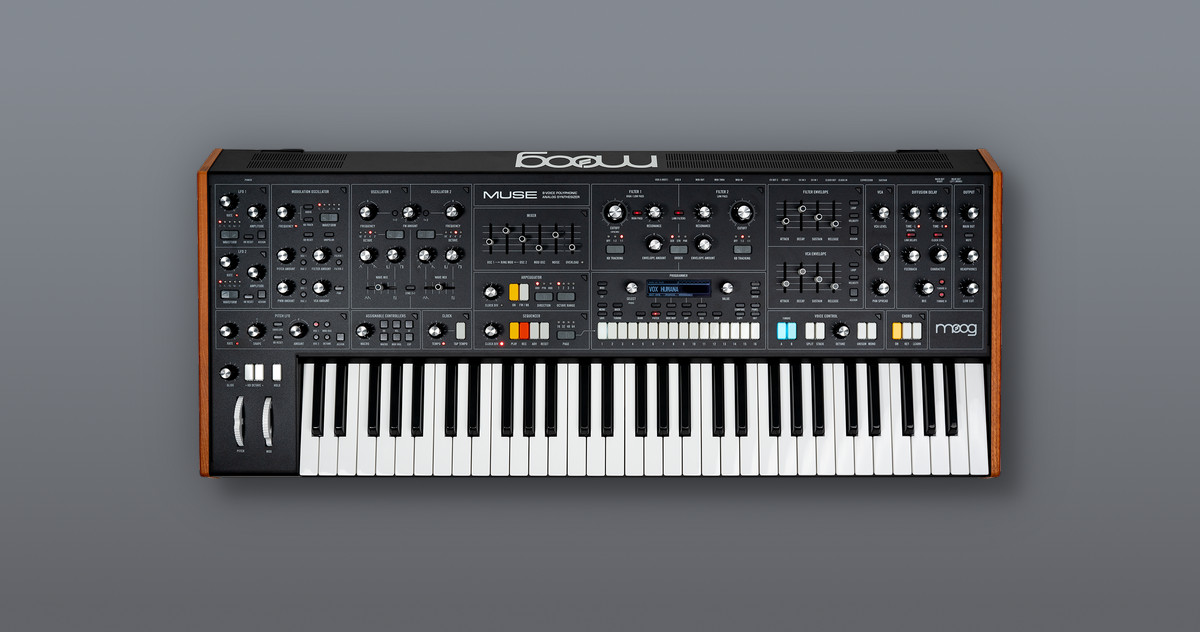
The Muse is one of Moog's bigger analog polysynths, with a dense front panel and a ton of modulation options.
More controls mean more things to document.
It also means very small prints, so this one is for the brave of heart who care more about preserving some notes vs. no notes.
If you’re worried about the size, try the printable first. They’re bigger, so if it’s a problem at that size, the notebook won’t be a good option, unfortunately.

Moog Subsequent 37
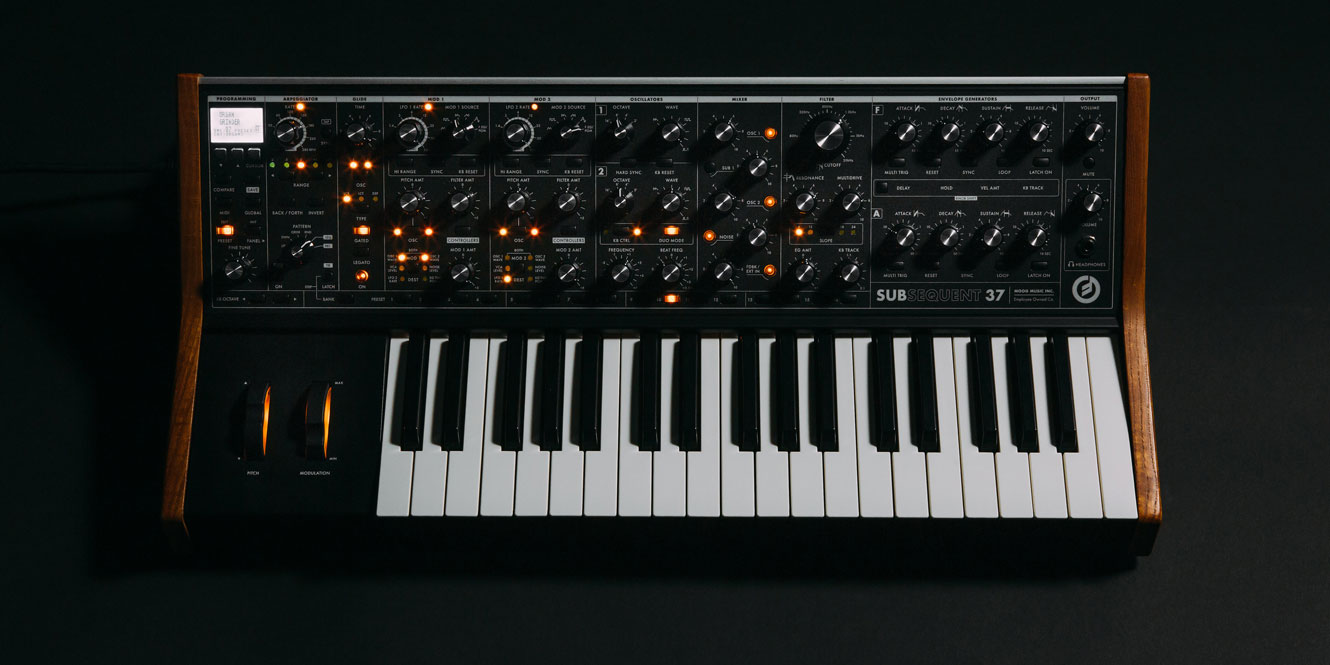
The Subsequent 37 has more going on under the hood than its panel suggests.
Duo mode, multidrive, sub oscillators.
Even though it can save presets, the physical knobs don't jump to match a recalled patch.
The notebook lets you document the actual physical positions alongside your preset numbers.
This is also one of those synths that is pretty large, and may not work for you in the notebook form. If you’re worried about the size, try the printable first.
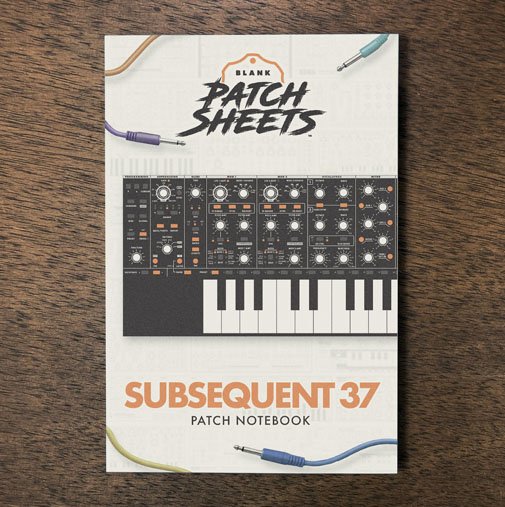
Moog Messenger
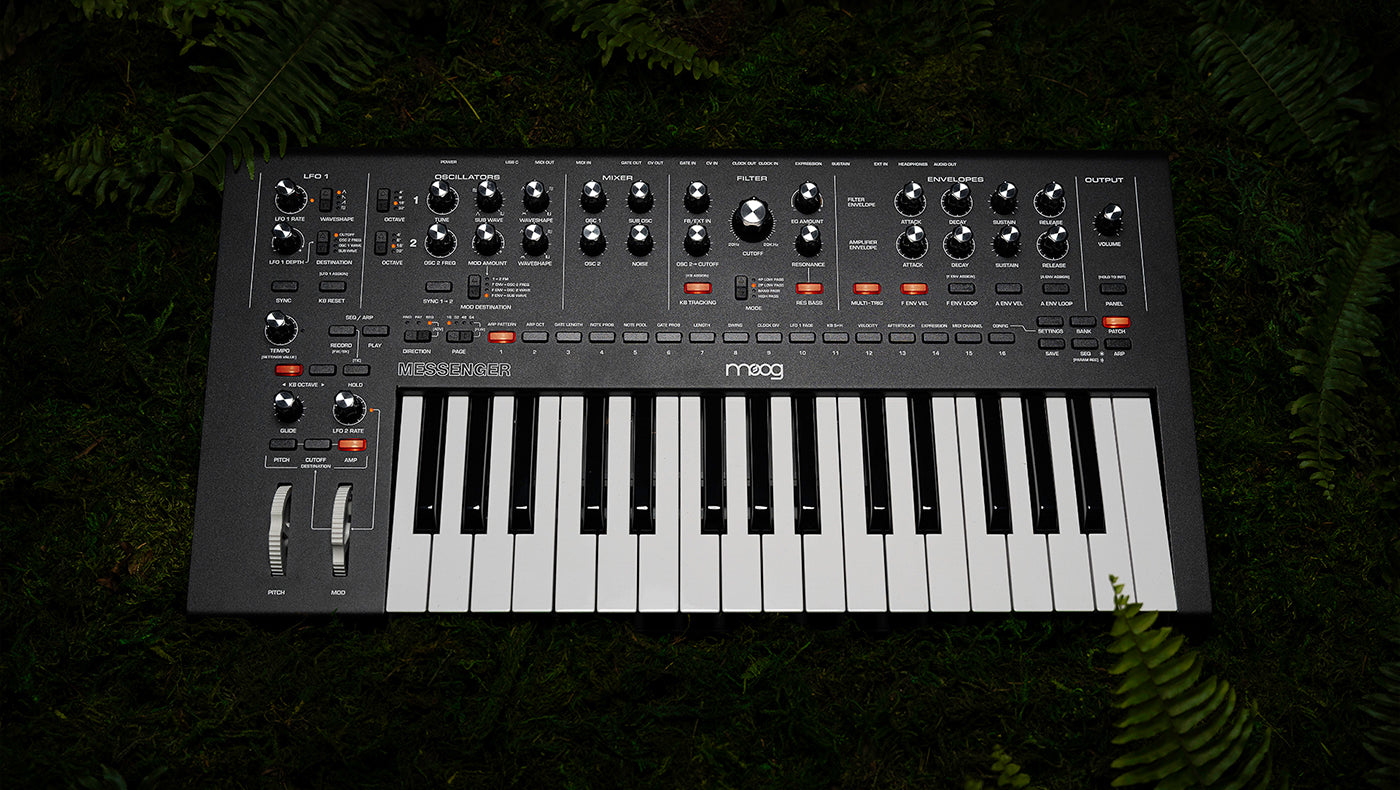
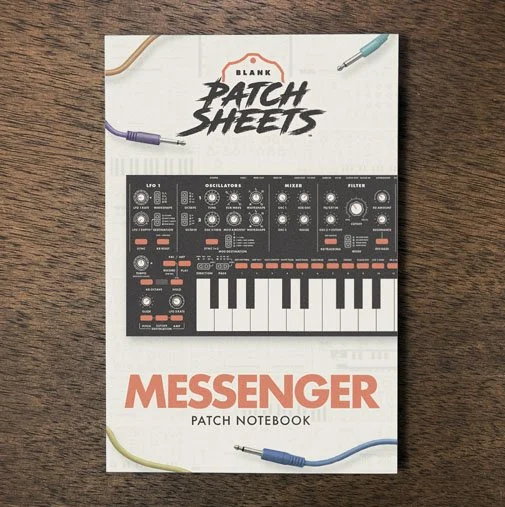
The Messenger is Moog's newest entry, and there's already a Blank Patch Sheets notebook ready for it.
Same format as the rest of the series: 75 pages of gear-specific schematics in a 6x9 size that fits next to your rig.
This is again one of the bigger synths. The notebooks should only be purchased if you know you need them and can use the small prints. If you’re on the fence, try the printable first.
This is for those people who really, really need the notebook.
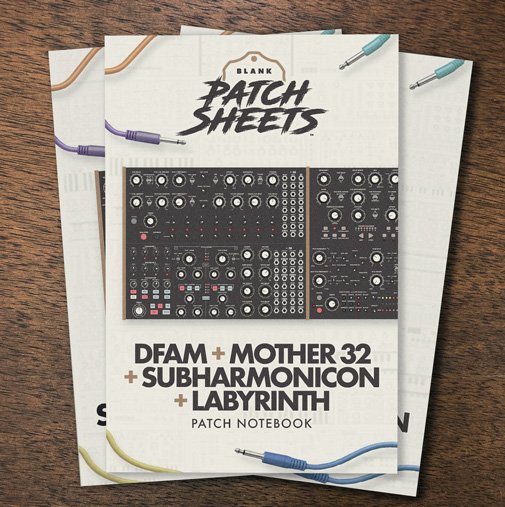
Got More Than One Moog Studio synth? There's a Combo Notebook for That.
The same issues from the bigger synths stated above apply to these Moog Studio combos.
But for those who don’t mind the compressed size and care more about representing their patches in the context of other Moog Studio synths, there’s a notebook for you.
Many Moog owners stack these semi-modular studio synths.
DFAM + Mother-32 + Subharmonicon + Labyrinth. Blank Patch Sheets has combo notebooks that put multiple synth schematics in one book, so you can document a full multi-synth path on a single view instead of flipping between different notebooks.
Printables
Stickers Too
If you want to rep your gear, Blank Patch Sheets also has die-cut synth stickers for most Moog models. Find them all on the Blank Patch Sheets Etsy shop.

Blank Patch Sheets notebooks are unofficial and unauthorized products not affiliated with, endorsed by, or sponsored by Moog Music Inc. All trademarks belong to their respective owners.